classic control sim: Android relay and motor control training tool
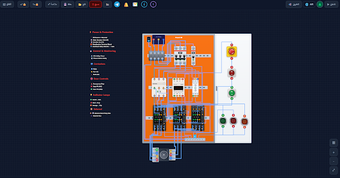
classic control sim, by Mahdi Hammood, is an Android educational simulator for designing and testing electrical control circuits. It simulates relay logic and motor control with drag-and-drop wiring, real-time visualization of phase and current flow, and an industrial component library including MCBs, contactors, and timers. Cloud synchronization, project export and sharing, multi-language support across eight languages, and a library of ready-made examples and step-by-step learning modules. Designed for electrical engineering students, vocational trainers, maintenance technicians, and hobbyists seeking a safe, practical hands-on practice environment.
The app recreates industrial relay logic with close fidelity
classic control sim models contactors, relays, timers and motor starters in an operational environment that reflects wiring constraints found on the shop floor. The library explicitly includes MCBs with specific tripping curves and the terminal model accepts multiple wires per point to mimic busbar practice. That fidelity lets learners examine how protective devices and wiring topology interact under fault and run conditions, without exposure to live voltage.
Example-led practice targets troubleshooting and sequence design
The tool supplies ready-made circuit examples and stepwise learning modules that guide users through standard industrial tasks such as forward-reverse control and timer-based sequences. Visualization of phase and current flow gives immediate, observable consequences when a circuit is altered, helping learners refine diagnostic reasoning. Support for both single-phase and three-phase supplies enables applied exercises like Star-Delta motor-start scenarios relevant to vocational training.
Device compatibility and language support fit diverse classroom settings
The app runs on Android and the developer maintains regular updates to preserve compatibility with current devices. Multi-language support spans eight languages, including English, Arabic, and Chinese, which helps non-native speakers follow exercises. Cloud synchronization moves projects between devices, so learners can continue work across mobile hardware. These traits make the app suitable for lab sessions, workshop practice, and independent study by engineering students and maintenance technicians.
Progress evidence and customization rely on projects rather than scores
Progress is expressed through saved projects, iterative designs, and the sequence of completed examples rather than numeric dashboards. Export and sharing let instructors or peers review designs externally, and the component set supports custom circuits aligned to curriculum goals. No explicit learner analytics or teacher-management dashboard is described, so formal competency assessment requires complementary methods outside the app.
A practical lab tool for applied control learning with curricular limits
The app is a practical option for electrical engineering students and technicians who need hands-on practice with industrial control concepts; instructors should integrate it into lesson plans and use external assessment rubrics for formal evaluation. Tip: schedule short, focused simulation sessions and pair them with written checks or supervised wiring labs to confirm conceptual transfer to physical equipment and safe working procedures.